Whole-Home Standby Generator Installation in Austin, TX

Austin's power grid has proven vulnerable to extreme weather events. A standby generator starts automatically within seconds of an outage — keeping your AC, refrigerator, medical equipment, and lights running without any action on your part.

Standby generator installation Austin TX home
Backup Power

Why Austin Homeowners Are Installing Standby Generators

Winter Storm Uri in February 2021 left millions of Texans without power for days during life-threatening temperatures. The event exposed structural weaknesses in the ERCOT grid that have not been fully resolved, and subsequent storms and summer heat events have continued to produce outages across the Austin metro. For homeowners who depend on electric medical equipment, have young children or elderly family members, or simply want to protect a freezer full of food and a climate-controlled home, a standby generator is a permanent solution.

Unlike portable generators — which require manual setup, gasoline storage, extension cords, and outdoor operation — a standby generator sits permanently on a concrete pad outside your home, connected to your natural gas or propane supply. When utility power fails, it starts automatically within 10 to 30 seconds, and when utility power returns, it shuts down automatically. You don't need to be home, and you don't need to do anything.

  • Generac and Kohler whole-home standby generators, 11kW through 26kW
  • Automatic transfer switch installation at the main panel
  • Natural gas line connection coordinated with a licensed plumber if needed
  • Propane system installations with above-ground or underground tank placement
  • Load calculation to determine the right generator size for your home
  • All work permitted through the City of Austin
Get a Generator Quote
Generac standby generator automatic transfer switch
Equipment Selection

Generac vs. Kohler — And the Automatic Transfer Switch

Generac is the most widely installed standby generator brand in the US and offers a broad range of residential units from 7kW to 26kW, with the 22kW and 24kW models being the most popular in Austin for whole-home coverage. Generac's Mobile Link monitoring allows remote monitoring of the generator's status via a smartphone app. Their units are generally available with shorter lead times and have a large local service network.

Kohler builds generators with industrial-quality engines and has a strong reputation for reliability and quieter operation. Their RES series covers 14kW through 26kW and integrates well with Kohler's OnCue monitoring platform. For homeowners who value longevity and quieter operation over upfront cost, Kohler is a compelling choice. We install both brands and will give you an honest comparison based on your specific load requirements.

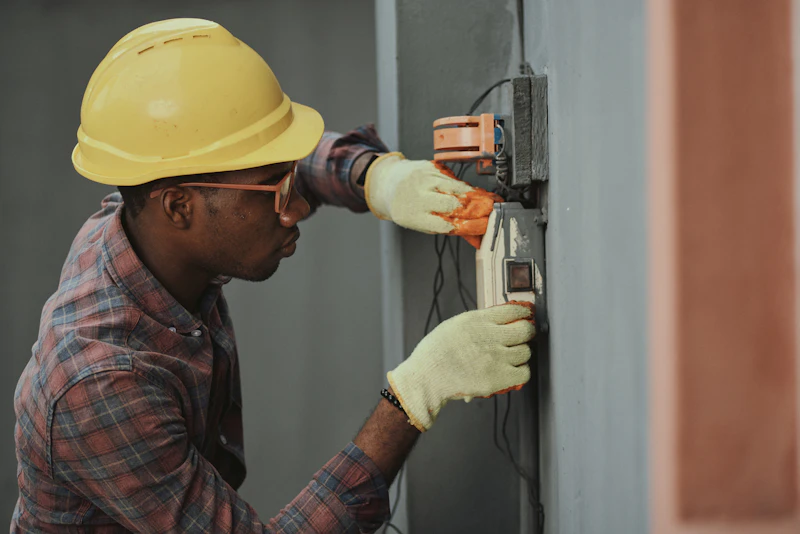
The automatic transfer switch (ATS) is the component that monitors utility voltage and switches your home's circuits to generator power when an outage occurs. It connects between the utility meter and your main panel and reverses the process when utility power returns. A properly specified ATS is critical — undersized or improperly installed transfer switches are the most common failure point in generator installations we're called to repair.

  • Generac 11kW, 16kW, 18kW, 22kW, and 24kW air-cooled units
  • Kohler 14kW, 20kW, and 26kW RES series air-cooled units
  • Generac Smart Management Modules for load management on smaller units
  • 200-amp and 400-amp automatic transfer switch installations
  • Concrete pad poured per manufacturer specifications and local code
  • Weekly self-test exercise cycles configured at installation
Compare Generator Options
Generator load calculation and permit process Austin
Sizing & Permits

Load Calculation, Sizing, and the Austin Permit Process

Generator sizing is not a guess. We perform a formal load calculation that accounts for your home's square footage, HVAC system size (in tons), water heater type, major appliances, and any special loads like medical equipment or a well pump. The goal is to identify the minimum generator size that covers your essential circuits plus a reasonable margin — oversizing wastes money on fuel and purchase price, while undersizing leads to the generator running above its rated capacity and failing prematurely.

For a typical 2,000–2,500 sq ft Austin home with a 3-ton AC, a standard electric water heater, and normal kitchen appliances, an 18kW to 22kW generator generally provides full-home coverage. Larger homes, homes with multiple AC units, or homes with electric vehicle charging typically require a 24kW or 26kW unit. We'll provide the load calculation in writing with your estimate.

  • Formal load calculation provided in writing with every generator estimate
  • Electrical and mechanical permits pulled from City of Austin
  • Generator placement per NEC 702 and local setback requirements
  • Natural gas BTU requirements communicated to your gas utility
  • Final inspection scheduled and cleared before project closeout
  • Owner walkthrough of weekly test cycle and monitoring setup at completion
Schedule a Load Assessment

Standby Generator FAQs

What Austin homeowners ask before investing in whole-home backup power.

What size generator do I need for my Austin home?

Size depends on what you want to power and your home's electrical loads. A small home (under 1,800 sq ft) with a 2-ton AC and modest appliances can often get by with an 11kW or 13kW unit powering essential circuits via a load management system. A 2,000–3,000 sq ft home with a 3–4 ton AC typically needs 18kW to 22kW for full-home coverage. Homes over 3,000 sq ft, homes with two AC units, or homes with large electric loads like a hot tub, pool heater, or EV charger generally need a 24kW or 26kW unit. We perform a proper load calculation before recommending a size — a conversation and a look at your electrical panel gives us the data we need.

Generac or Kohler — which brand is better?

Both are quality brands with strong track records. Generac has a larger market share in residential standby generators and generally offers shorter lead times and a larger local service network. Their units are competitively priced and the Mobile Link monitoring system is user-friendly. Kohler generators tend to be quieter in operation and are often perceived as having a higher-grade engine build. They are typically priced higher. For most Austin homeowners, Generac is the practical choice; if noise level or perceived build quality is a priority and the budget allows, Kohler is worth the premium. We'll walk through the actual specifications side by side for your load requirements.

How long does standby generator installation take?

A standard whole-home generator installation — concrete pad, generator placement, automatic transfer switch, and natural gas connection — typically takes 1 to 2 full days for our crew. Lead time from quote to installation depends on equipment availability, which varies. Once the equipment is on-site, we schedule the installation and the electrical permit inspection. The longest variable is often the utility's timeline for upgrading the gas meter if your current meter isn't sized for the generator's BTU demand. We manage all of that coordination on your behalf.

Does a standby generator require a permit in Austin?

Yes. A standby generator installation in Austin requires an electrical permit and typically a mechanical permit for the gas connection. The City of Austin inspects both the electrical work (transfer switch wiring, panel connections) and the installation for setback compliance from property lines and openings in the structure. We pull all required permits and schedule the inspections. Unpermitted generator installations create insurance and liability exposure that we will not put our customers in.

How often does a standby generator need maintenance?

Standby generators require annual maintenance at minimum — typically an oil and filter change, spark plug inspection, air filter replacement, and a full load test. Generac and Kohler both have recommended maintenance schedules based on operating hours. The generator will run a weekly self-test exercise cycle (typically 5–10 minutes under no load), which is normal and helps keep the engine ready. After a significant usage event — like running for several days during a weather outage — an oil change is typically recommended sooner. Voltage Electric Co. offers annual maintenance plans for generators we install.

Don't Wait for the Next Outage

Standby generator lead times can extend during periods of high demand. Schedule your load assessment now and get ahead of the next storm season.

Call Now — (512) 847-4200